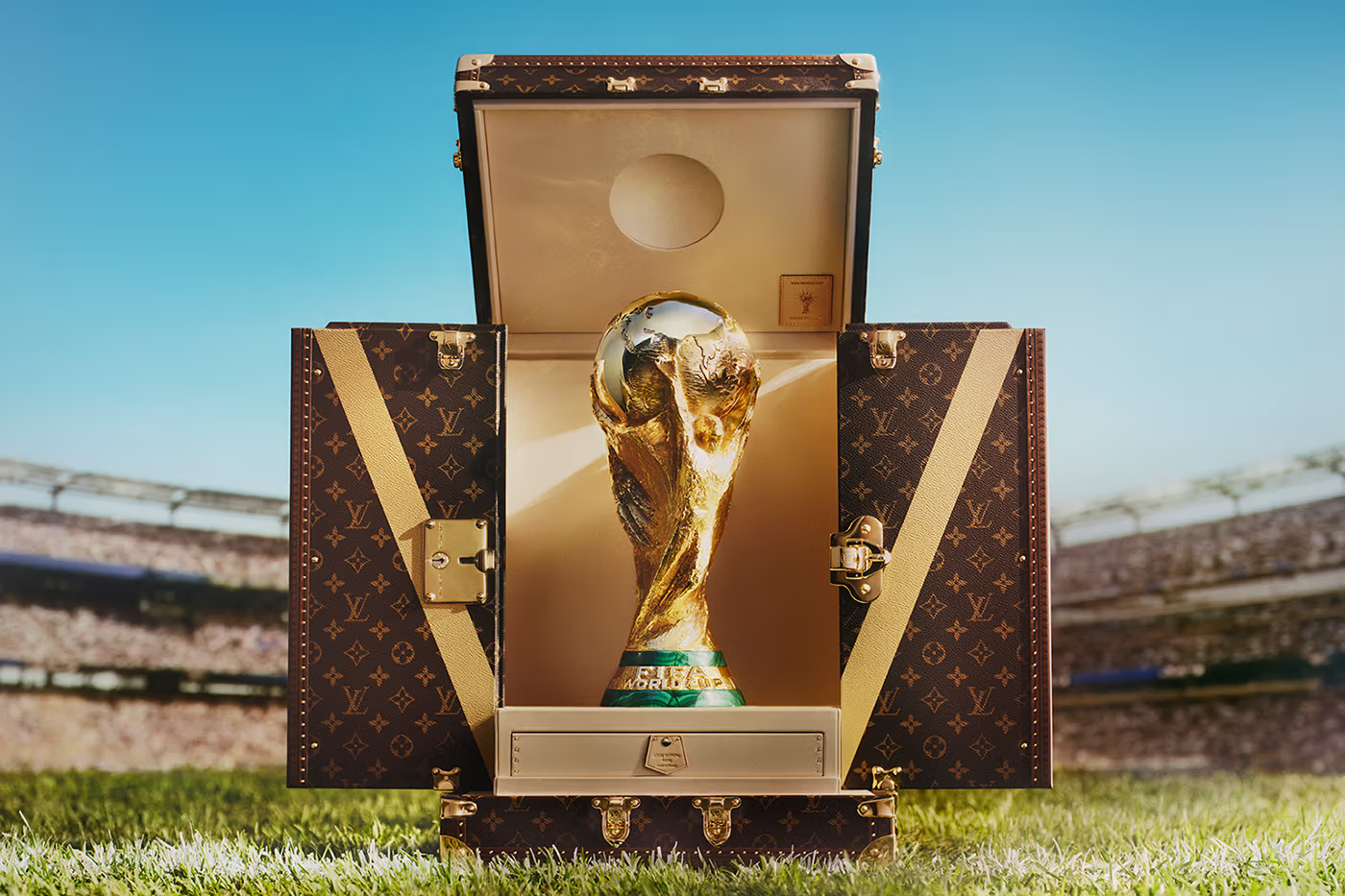




The 2026 FIFA World Cup, set to kick off on June 11 across the United States, Canada, and Mexico, was supposed to be the biggest football celebration in history. With 48 teams competing for the first time, it promised more matches, more nations, and more magic. Instead, it has become one of the most politically charged sporting events the world has ever seen.
The tournament is now unfolding against a geopolitical backdrop that few planners anticipated: a major war in the Middle East involving the United States and Israel against Iran, Iranian retaliation across the region, and an increasingly assertive foreign policy under the current US administration.
The Iran situation alone reads like a thriller. Iran was placed in Group G alongside Belgium, Egypt, and New Zealand, with all their group-stage matches scheduled inside the United States, the same country that launched military strikes on Iran just months before the tournament. Iran has since relocated its tournament base from the US to Mexico, headquartering in the border city of Tijuana, while still required to play matches on American soil.
Making things even more explosive, Spain’s football federation and advocacy groups have called for boycotts if Israel is allowed to participate, citing widespread allegations of war crimes.
Off the pitch, visitors face obstacles ranging from visa denials to aggressive searches, with Trump’s expanded travel ban expected to impact fans from dozens of countries.
In the end, the tournament will likely proceed as planned, but the political environment surrounding it may be far more charged than FIFA ever anticipated. Football was meant to unite the world. In 2026, it is holding up a mirror to it.