






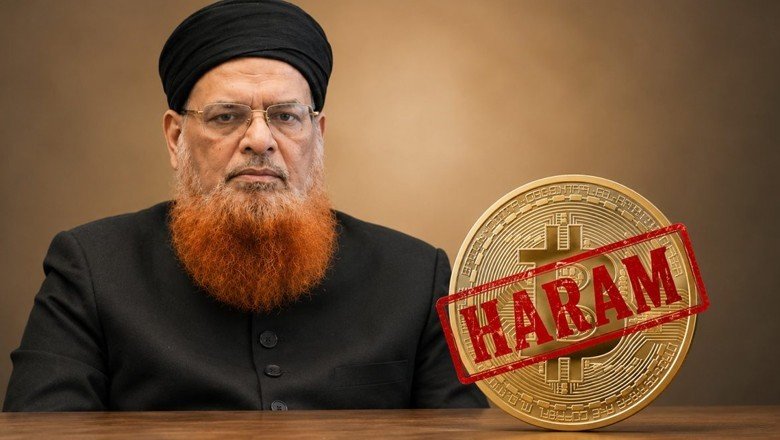
Pakistan’s cryptocurrency debate has reignited public conversation after Mufti Taqi Usmani, one of the country’s most influential Islamic scholars, issued a fatwa declaring trading in Bitcoin, Ethereum, and stablecoins like USDT impermissible under Islamic law. The ruling, backed by several other scholars, argues that these digital assets do not meet the Shariah definition of wealth or property.
Following the fatwa, Pakistan Virtual Assets Regulatory Authority (PVARA) Chairman Bilal Bin Saqib met with Mufti Usmani for what he called a “constructive discussion,” arguing that blockchain, digital assets, and tokenized real-world assets are separate technologies that deserve individual religious evaluation rather than a blanket ruling.
The fatwa has triggered wider debate online, with many Pakistanis questioning why religious scholars respond so quickly to issues like cryptocurrency, while topics such as interest-based banking, IMF loan conditions, inflation, corruption, and broader economic struggles receive far less public commentary from religious leaders. Critics argue that if speculation and uncertainty are grounds for declaring crypto haram, similar scrutiny should apply to the stock market and other financial practices already embedded in Pakistan’s economy.
Supporters of the fatwa, however, say scholars are simply fulfilling their duty by addressing a new and rapidly growing financial trend that carries real risks for ordinary investors. It’s worth noting that a fatwa is a religious opinion, not law, meaning regulated crypto trading remains legal in Pakistan despite the ruling. Still, given Mufti Usmani’s stature, his opinion is expected to influence public sentiment and retail investment in the space.