






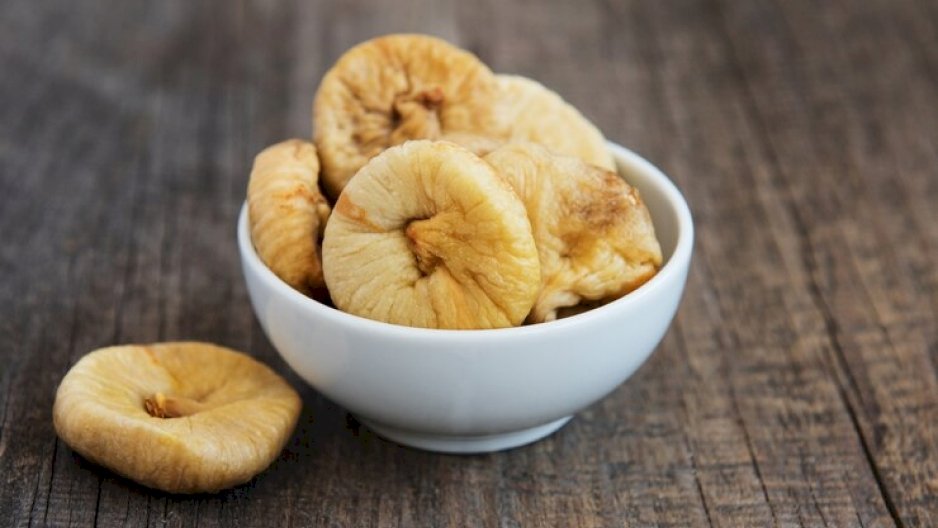
While many people commonly associate dates with references in the Quran, scholars point out that the first fruit mentioned in the Quran is actually the fig (Anjeer). This often-overlooked detail carries both spiritual and nutritional significance.
The fig is mentioned in Surah At-Tin (The Fig), Chapter 95, where Allah swears by the fig and the olive: “By the fig and the olive”. Islamic scholars explain that when Allah swears by something, it emphasizes its importance, blessings, and benefits. The fig is known to be highly nutritious, rich in fiber, vitamins, and minerals, making it a symbol of sustenance and health.
Historically, figs have been a staple in the Middle East, valued for both their taste and medicinal properties. Some scholars suggest that mentioning the fig first may highlight its symbolic significance as a fruit that nourishes the body and the soul, and serves as a reminder of Allah’s creation and bounty. The Quran often draws attention to everyday elements of life to inspire reflection, and the fig, with its unique taste and health benefits, fits this purpose.
In contrast, while dates are mentioned multiple times in the Quran, they are often associated with ease of consumption, sustenance during travel, or during Ramadan for breaking fast. The fig, being mentioned first, reminds believers of the diverse blessings Allah has provided.
Modern nutritionists also note the fig’s health advantages, from promoting digestion to being a source of antioxidants. Thus, the Quranic mention aligns spiritual guidance with practical benefits.
Recognizing the fig as the first fruit mentioned in the Quran enriches our understanding of the text and encourages appreciation of the natural blessings provided by Allah. It serves as a small but profound reminder to value and reflect on everyday sustenance.