





Denmark has banned face-covering garments in public since August 2018, a law widely known as the “burqa ban.” Danish lawmakers approved the legislation in a 75-30 vote, with the government stating it was not aimed at any particular religion and did not apply to headscarves, turbans, or the traditional Jewish skullcap.
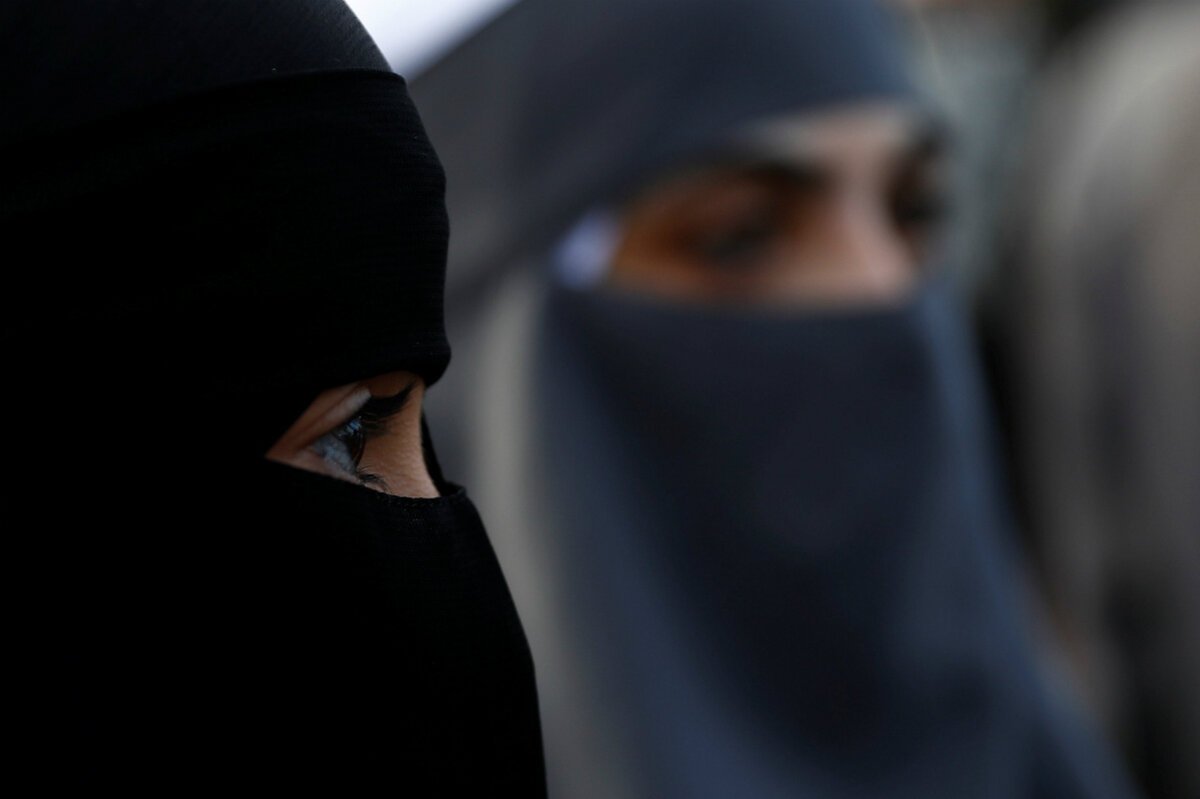
Even so, the law also prohibits fake beards, balaclavas, and other face masks, though those most affected in practice are Muslim women who choose to wear the burqa or niqab, a veil that leaves only the eyes visible. Because of this, the law is popularly seen as being directed at the dress worn by some conservative Muslim women, even though few Muslim women in Denmark actually wear full-face veils.
Under the law, a first-time offender faces a fine of 1,000 kroner (around $156), while repeat violations bring steeper penalties, with fines rising to 10,000 kroner by the fourth offense. In the first year after the ban took effect, authorities issued only a small number of fines, roughly 23 by August 2019, showing that the rule affected a very small group of people despite the large public debate it caused.
The law sparked strong reactions on both sides. Large protests took place in cities like Copenhagen and Aarhus when the ban began, with human rights groups such as Amnesty International and Human Rights Watch criticizing it as discriminatory and a violation of personal freedom. Supporters, meanwhile, argued the law reflected Danish social values around openness and public interaction. Denmark joined other European countries, including France, Belgium, and Austria, which have similar restrictions.