
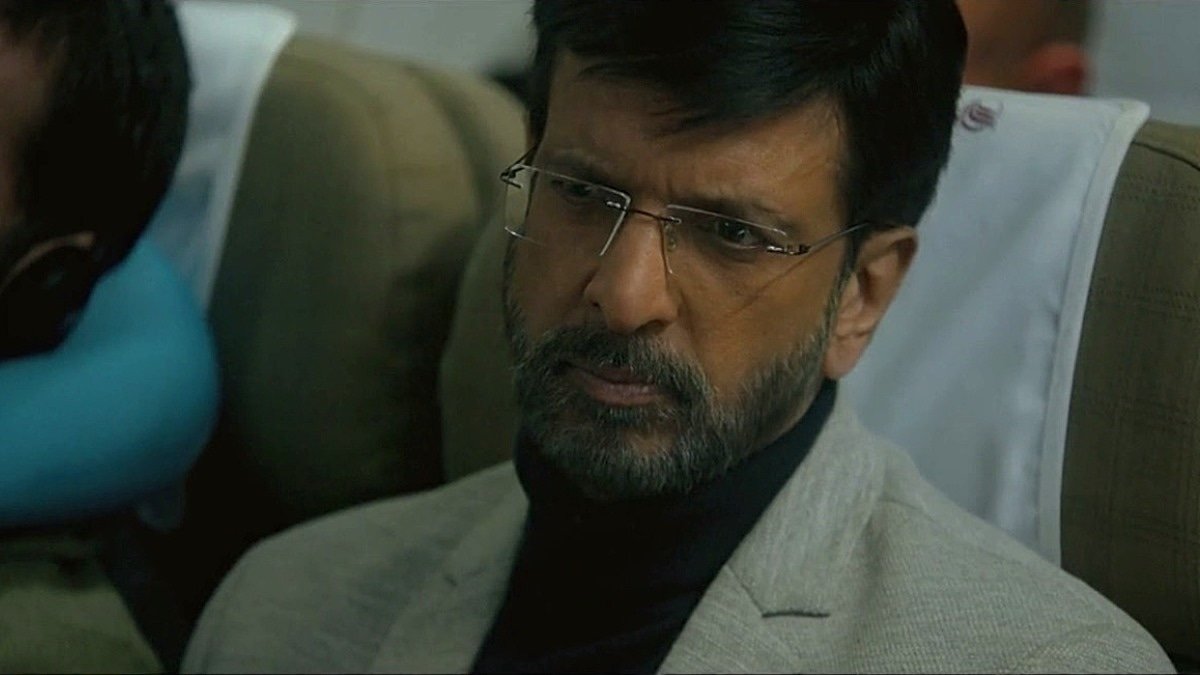


Bollywood actor Jaaved Jaaferi recently made a thought-provoking claim: Urdu may be one of the most phonetically versatile languages in the world. He argued that someone who truly knows Urdu, an Urdu-daan, has the vocal range to accurately pronounce words from many different languages. It is a bold claim, but linguists and phonetic data actually back it up.
Urdu has 41 consonants in total, including 22 stops and affricates, 8 fricatives, 5 nasals, and 6 liquids and glides, articulated at five different points in the mouth: labial, dental, retroflex, palatal, and velar. Phonetically, Urdu is richer than English due to its larger inventory of consonants and numerous long nasal sounds, with 17 phonemic vowel sounds. For comparison, English has just 21 consonants and 5 written vowels.
Urdu’s intricate sound system combines elements of Persian, Arabic, and native South Asian languages, resulting in a phonological blend that is both exotic and harmonious to foreign ears. This mixture means Urdu speakers are naturally trained to produce sounds found across Arabic, Persian, Turkish, and South Asian languages simultaneously.
Jaaferi has also explained that Urdu pronunciation trains its speakers to perform better in many other languages, an edge that is especially useful in voice work, acting, and mimicry, fields where he has excelled throughout his career.
Urdu’s phonetics include retroflex consonants, sounds produced with the tongue curled back, which are largely absent from European languages, giving Urdu speakers a wider articulation range.
Jaaferi’s perspective is more than just pride in a beautiful language. It is a reminder that Urdu’s depth and diversity make it a rare phonetic training ground, one that quietly prepares its speakers for the world.