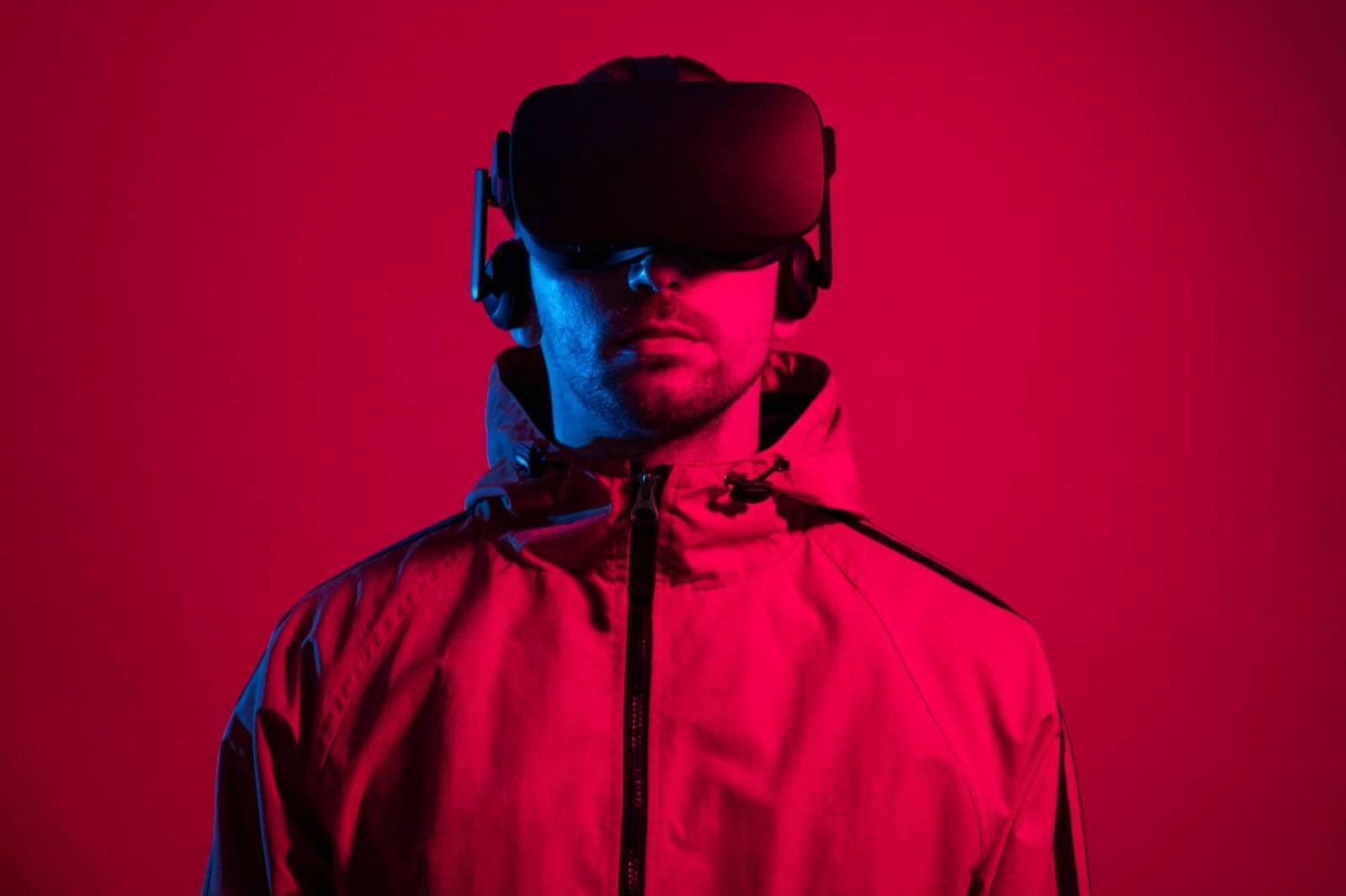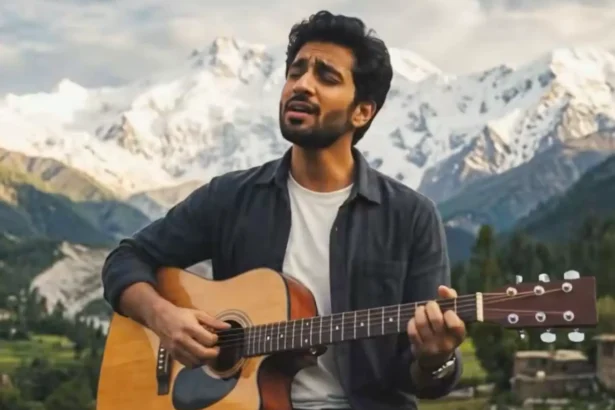


Federal Planning Minister Ahsan Iqbal has faced criticism online after sharing an AI-generated song dedicated to “the youth of Pakistan — the architects of our nation’s future” ahead of Independence Day.
In his post on X, the minister said the song draws on the philosophy of poet Allama Muhammad Iqbal, carrying the message of Khudi and the spirit of the Shaheen, and stated that true strength comes from within. The song is based on one of Allama Iqbal’s poems and was released by the Ministry of Planning, Development and Special Initiatives along with URAAN Pakistan, a government initiative under the 5Es National Economic Transformation Plan.
Critics online pointed out the irony: the minister praised the Shaheen for never accepting mediocrity, yet the ministry used AI instead of hiring real Pakistani singers, musicians and video crews. Many compared it unfavourably to the 2022 re-recording of the national anthem, which featured actual musicians from across Pakistan’s regions and communities.
The backlash fits a larger pattern. Filmmakers, actors and musicians worldwide, including Seth Rogen and Christopher Nolan, have spoken out against AI replacing human creative work. In Pakistan, actor Hira Tareen recently warned fellow performers to check their contracts carefully, since some production houses have tried to claim rights to actors’ digital likeness for future AI use.
Supporters, however, defended the song. Some commenters on the article argued that the track was likely made by young Pakistani AI enthusiasts and that criticizing it went against the push to build the country’s future around AI-based technologies.
The controversy raises the same question critics have already been asking on other AI projects: as artificial intelligence tools spread, will they support human artists, or start replacing them?