






Iran’s 2024–25 water year was described as one of the most challenging in the country’s history, with average rainfall about 45% below normal. Nineteen provinces experienced significant drought, with some regions like Hormozgan reporting a 77% decrease in rainfall.
The country’s most recent water year recorded 81% less rainfall than the historical average over a 12-month period. Temperatures in Iran can soar above 50°C in the hot season, pushing the limits of human survivability and worsening water loss through evaporation from reservoirs.
In early 2025, Tehran’s five main reservoirs held only around 13% of their capacity, with one vital source, the Lar Dam, almost empty at just 1% full. Tehran’s water chief urged residents to cut usage by 20%, calling conservation “not a choice or option, but a necessity” to avoid what he called “water bankruptcy.”
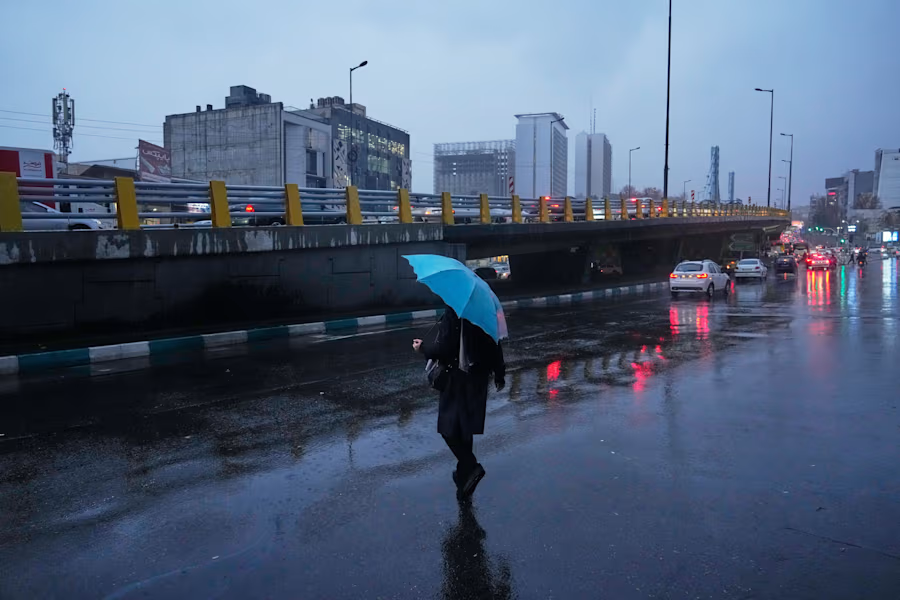
Then the long-awaited rains finally came. People poured into the streets waving flags in celebration, as seen in images of joyful crowds near Tehran’s iconic Azadi Tower dancing in the downpour. However, experts warned the situation remained serious.
Recent rains delivered Iran from a dangerous dry spell straight into destructive floods, because the land had been stripped bare by years of poor management. Heavy rainfall hit parts of the country, but instead of easing water shortages, it accelerated destruction, washing through cities, villages, and farmlands without replenishing groundwater or restoring depleted aquifers.
Prolonged dry conditions had reduced the soil’s ability to absorb water, turning sudden rains into dangerous flash floods. Rainfall levels across Iran had been 85% below average, depleting dams and causing taps to run dry, including in parts of the capital, Tehran.
Experts stress that a combination of climate change and poor local policy choices means many parts of Iran are now in a state of “water bankruptcy”, where water systems have been overused to the point they can no longer meet demand without causing irreversible environmental damage.
While the rainfall brought tears of joy for many Iranians after years of suffering, scientists and water experts agree that one season of rain cannot undo decades of damage. Iran still faces a long road to genuine water security.